Tankless Water Heater Installation in Phoenix, AZ
Tired of replacing a rusted-out tank every 6 to 8 years? A tankless unit heats water only when you open a tap — no storage tank sitting in a hot Phoenix garage, quietly corroding. One call connects you with an independent local provider who installs tankless systems across the Valley and can walk through whether the switch makes sense for your home.
Going tankless is a project, not a purchase. Gas supply, venting, condensate drainage, and honest sizing all decide whether the finished system performs the way the brochure promises. The provider's job on the call is to map your home — fixtures, fuel, layout — against those requirements and explain the options in plain terms before anything is scheduled.
Bring your current tank's size and age to the call if you know them — it frames the comparison.
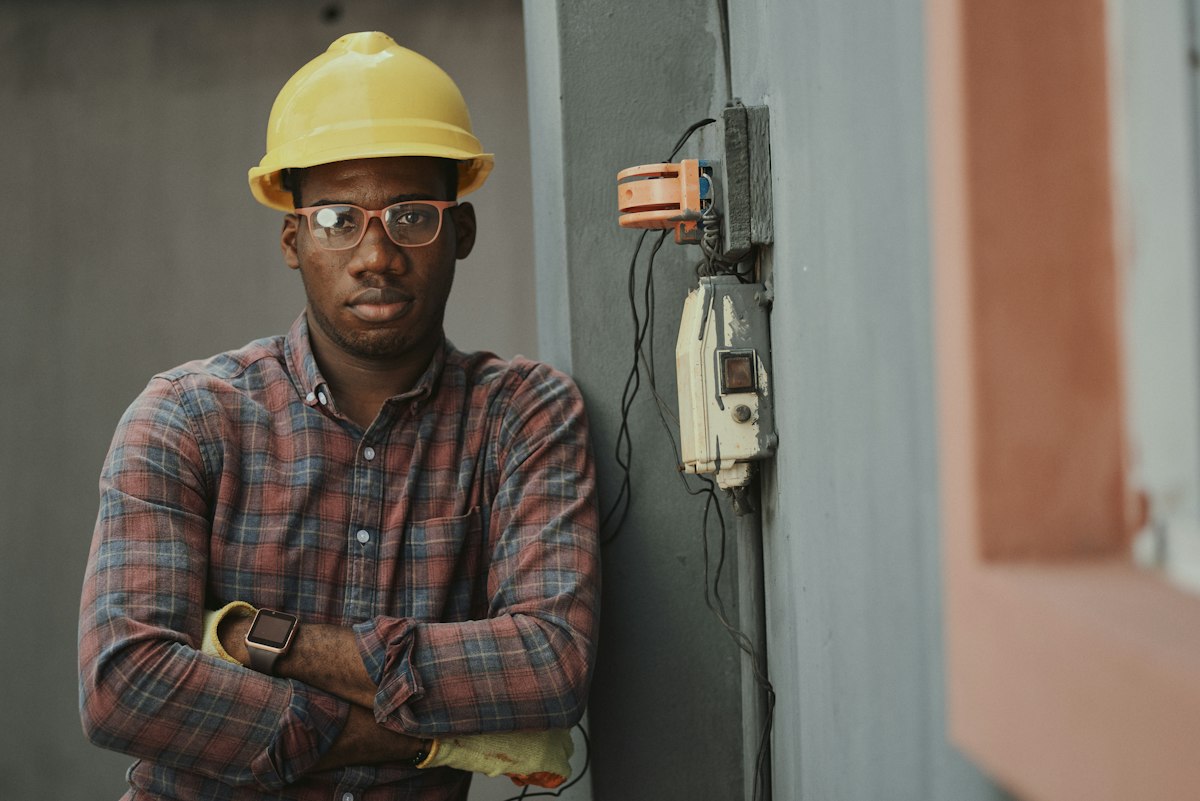

When tankless makes sense in the Valley — and when it doesn't
Tankless shines in a few Phoenix-specific ways. There is no 40 or 50 gallons of water being reheated around the clock in a garage that bakes all summer. There is no steel tank for 16-grain water to rust through on a 6-to-8-year cycle. And a wall-mounted unit returns floor space in garages that Valley families actually use for storage.
But the switch is not automatic. A tankless install usually needs a bigger gas line than the old tank used, Category III or PVC venting run to the exterior, and a condensate drain — work that makes the project larger than a like-for-like tank swap. Households that run many fixtures at once need careful sizing, and every tankless owner in Phoenix signs up for annual descaling, because the same hard water that killed the tank will happily scale a heat exchanger.
The provider you are connected with will put both sides on the table for your home: the conversion work involved, the upkeep rhythm, and how it compares with simply replacing the tank — which is covered on our installation and replacement page.
From old tank to on-demand: the moving parts
- Sizing by demand — fixtures counted together, matched to flow rate and temperature rise, not guesswork.
- Gas line capacity — tankless burners draw far more gas at peak than a tank; the line often needs upsizing.
- Venting — sealed combustion venting run safely to the outside, per the unit's requirements.
- Condensate drainage — high-efficiency condensing units produce condensate that must drain somewhere sensible.
- Mounting location — interior wall, garage wall, or the old tank's spot, weighed against vent and gas runs.
- Isolation valves — installed from day one so future descaling is a simple service visit, not a project.
- Water treatment talk — whether a softener or conditioner ahead of the unit fits your water and budget.
- Old tank removal — draining and hauling out the failed tank as part of the change-over.

Choosing the unit: brands, capacity, and features
Most Phoenix tankless installs come from three manufacturers: Rinnai, the long-established name in on-demand heating; Navien, known for condensing efficiency and built-in recirculation options; and Noritz, a durable mid-line choice with strong Valley parts support. Each publishes residential units across a range of flow capacities, in condensing and non-condensing versions.
Beyond the badge, the decisions that matter are capacity at your home's temperature rise, whether built-in recirculation is worth it for a sprawling single-story floor plan (long pipe runs are a Phoenix ranch-house specialty, and recirculation is what ends the long wait for hot water at a far bathroom), and how the unit will be descaled year after year.
On the call, describe your household honestly — how many bathrooms, who showers when, whether a soaking tub or a multi-head shower is in the picture. The provider will translate that into a capacity class and explain the trade-offs between the brands they install, so the choice is based on your demand rather than a headline flow number measured under laboratory conditions.
Call (480) 555-0147Tankless installation FAQs
Is a tankless water heater a good fit for a Phoenix home?
For many Valley households, yes — with one condition: upkeep. Tankless units heat water on demand, so there is no tank of water being kept hot in a 140-degree garage all summer, and no tank to rust out in 6 to 8 years. The condition is descaling. Phoenix water at about 16 grains per gallon will scale a heat exchanger quickly, so a tankless unit here needs regular descaling service, and a water softener ahead of it helps considerably.
What does switching from a tank to tankless actually involve?
More than swapping boxes. A tankless unit usually needs a larger gas line than a tank did, dedicated venting, a condensate drain, and an electrical connection, and it must be sized for the home's peak demand rather than its tank volume. The provider you are connected with will assess your current setup, explain what has to change, and talk through where the unit can be mounted — wall mounting often frees up garage floor space.
How is a tankless unit sized for my home?
By flow rate and temperature rise. The provider counts the fixtures likely to run at once — showers, a dishwasher, laundry — and matches that demand against how much the unit must raise Phoenix's incoming water temperature. Incoming water in the Valley is relatively warm for much of the year, which works in a tankless unit's favor, but winter groundwater still factors into honest sizing.
Can a tankless unit keep up with a large family?
A correctly sized single unit handles most households, including simultaneous showers. Very large homes, or homes with high-demand fixtures like soaking tubs and multiple showers running together, may need a larger-capacity unit or two units working together. This is a sizing conversation to have on the call, with your fixture count and habits on the table, rather than a guess made from square footage.
What should I plan for after installation?
Annual descaling in Phoenix water, periodic cleaning of the inlet water filter, and attention to any change in performance. Many owners pair a tankless unit with a water softener, which slows scale dramatically. Ask the provider about a maintenance rhythm for your unit — our maintenance page covers what a service visit includes.
Thinking tankless? Talk it through first.
One call connects you with an independent Phoenix-area provider who can size a system for your home and explain the full scope of the switch.
Call (480) 555-0147