Water Heater Repair in Phoenix, AZ
Cold showers, a rumbling tank, water pooling in the garage — in Phoenix, water heater problems rarely fix themselves, and the desert's hard water makes small issues grow fast. One call connects you with an independent local provider who can diagnose the problem and talk through your options.
We are not a plumbing company. Phoenix Water Heater Pros is a free referral service: you describe the problem, we route your call to a local provider who does that kind of work, and you deal with the provider directly from there. No forms to fill out, no accounts to create — just a phone call.
Calling is the only way to reach a provider through this site — and the fastest way to get hot water back.
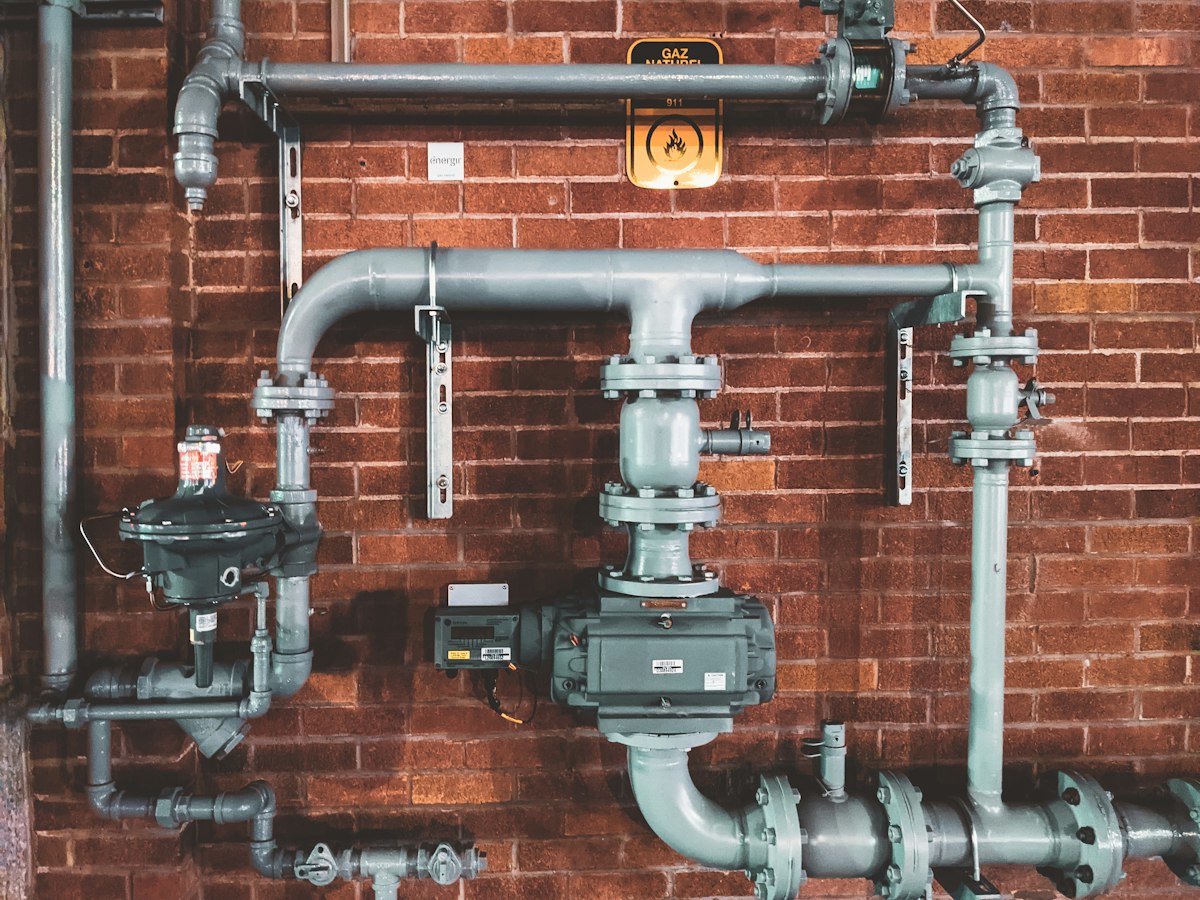
Call and describe the problem
Tell us what you are seeing — no hot water, lukewarm water, strange noises, a leak, or an error code on a tankless unit. The details help route your call correctly.
Get connected to a local provider
Your call is connected to an independent Phoenix-area provider who handles that type of water heater work. We step out of the way at this point.
Talk options, then decide
The provider explains what they find, what a repair would involve, and when replacement makes more sense. Any scheduling and any agreement is between you and the provider.
Water heater services in the Phoenix metro
Tank or tankless, repair or a brand-new install — pick the service that matches your situation, or just call and describe the symptoms.
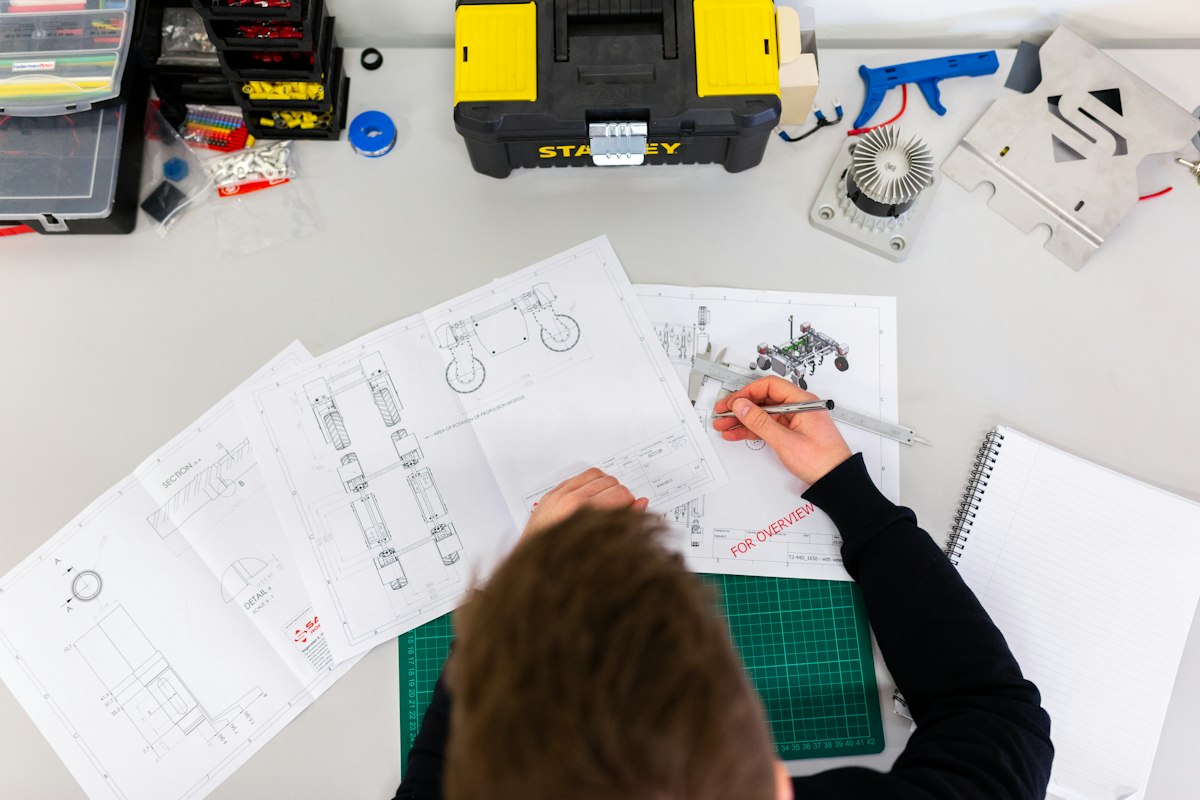
Tankless Water Heater Repair
Error codes, ignition failures, and scale-clogged heat exchangers are the usual tankless complaints in Phoenix. Get connected with a provider who services on-demand units across the Valley.
Tankless repair details →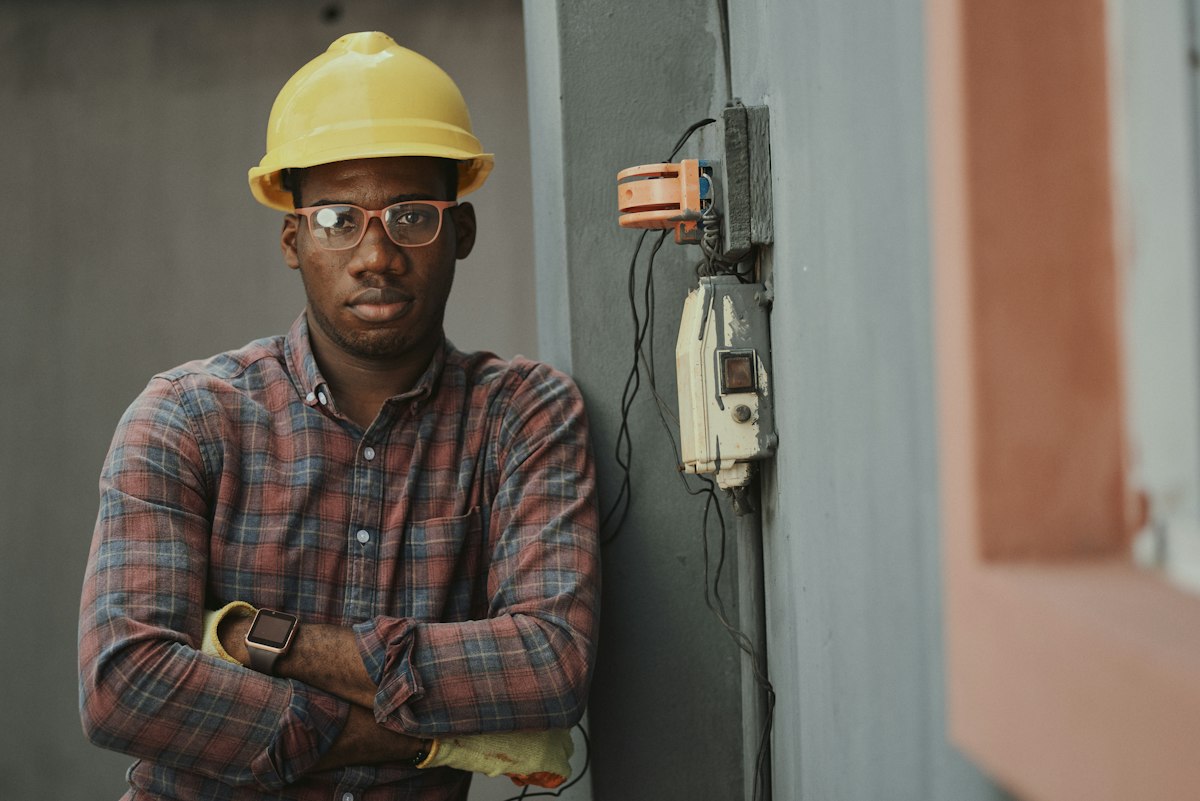
Tankless Water Heater Installation
Thinking of switching from a tank to on-demand hot water? A provider can walk through sizing, gas and venting requirements, and what Phoenix water means for a tankless unit's upkeep.
Tankless installation details →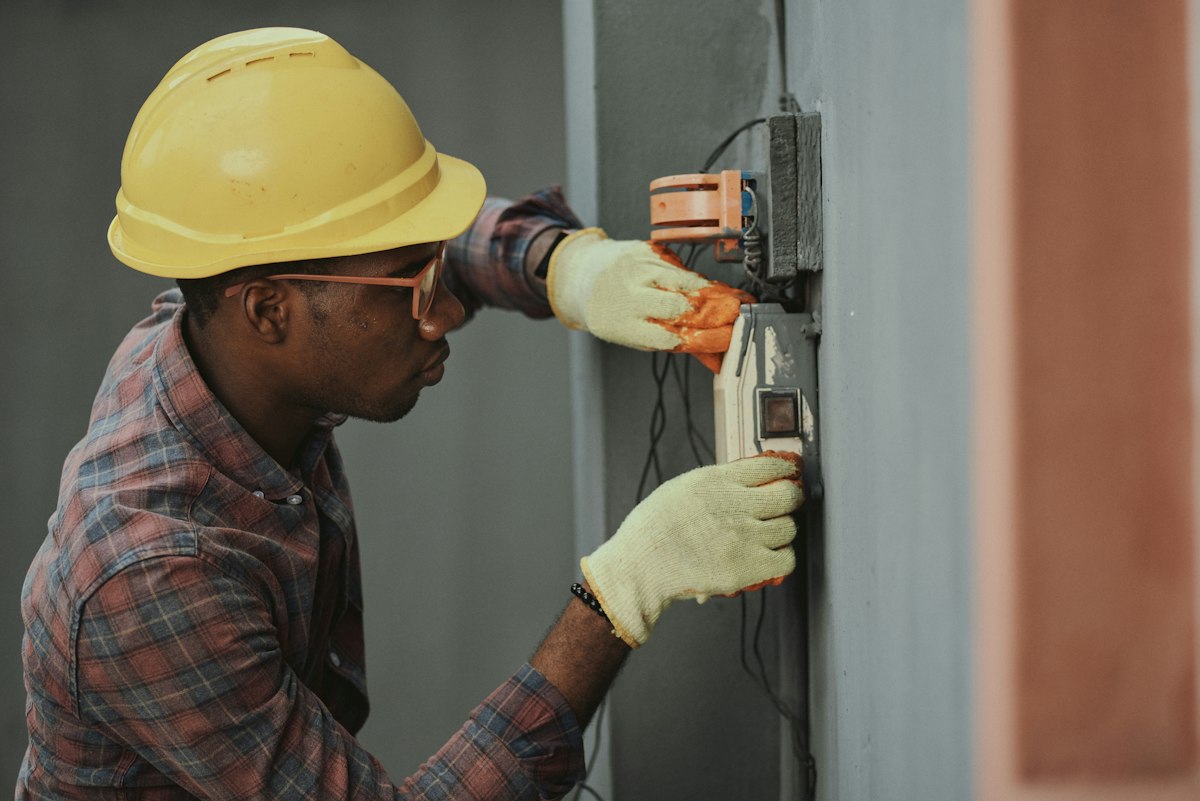
Tank Water Heater Repair
Failed heating elements, faulty thermostats, pilot problems, and leaking valves on conventional storage tanks. A provider can tell you whether a repair is worth it for your tank's age.
Tank repair details →
Water Heater Installation & Replacement
When a tank is leaking or simply worn out by Phoenix water, replacement is usually the answer. Talk with a provider about sizing, fuel type, and what a change-out involves.
Installation & replacement details →
Water Heater Maintenance & Flushing
Annual flushing is the single most useful habit in a hard-water city. A provider can flush sediment, check the anode rod, and descale a tankless unit before minerals cause a shutdown.
Maintenance details →
Serving the Whole Valley
From Surprise to Queen Creek, calls are matched with independent providers across the Phoenix metro. See the areas covered and what to expect in each part of the Valley.
See service areas →Why water heaters wear out early in the Valley
Phoenix tap water measures around 16 grains per gallon of hardness — roughly 275 ppm — well into the "very hard" range, and it leaves mineral sediment in every tank it fills.
That is the realistic service life of many tank water heaters in Phoenix, compared with the 10–12 years often quoted nationally for softer-water areas.
Unconditioned Phoenix garages, where most Valley water heaters live, can pass 140°F in summer — heat that stresses tanks, valves, and plastic drain pans all season long.
Hard water, hot garages, and a housing wave reaching failure age
Every gallon of Phoenix water carries dissolved calcium and magnesium. Inside a storage tank, heat drives those minerals out of the water, and they settle on the bottom as a growing layer of sediment. The burner or elements then have to heat through that layer, which wastes energy, creates the rumbling and popping sounds homeowners hear from the garage, and bakes the tank's lining until it cracks. Once the lining goes, rust follows — and a rusting tank cannot be repaired.
Timing makes it worse. A huge share of Valley homes were built between 2000 and the early 2020s, in subdivisions across Mesa, Gilbert, Chandler, Peoria, and Surprise. Heaters installed in those build years have now been through one or two replacement cycles in Phoenix conditions, and the current wave of units is hitting the 6-to-8-year wall at the same time. If your home falls in that bracket and the water is not as hot as it used to be, the heater is telling you something.
The good news: many failures start as fixable parts problems — a heating element, a thermostat, a thermocouple, a pressure relief valve. The call you make through this site connects you with a provider who can sort a parts repair from an end-of-life tank, and explain the reasoning either way.
Signs your water heater needs attention
Any one of these is worth a call. Caught early, several are inexpensive parts issues; ignored, they tend to end as a flooded garage.
- No hot water at all — a tripped breaker, dead element, failed igniter, or a gas supply problem.
- Water that turns lukewarm fast — sediment taking up tank volume, or a broken dip tube.
- Rumbling, popping, or kettling sounds — steam escaping through a sediment layer on the tank floor.
- Rusty or discolored hot water — corrosion inside the tank or a depleted anode rod.
- Water around the base of the heater — a leaking valve, fitting, or the tank itself.
- Pilot light that will not stay lit — often a thermocouple or gas control issue on gas units.
- Error codes on a tankless unit — frequently scale buildup or an ignition fault in Phoenix homes.
- A heater older than 8 years — in this water, age alone justifies a conversation about next steps.


Rheem, Bradford White, Rinnai — whatever is in your garage
Phoenix garages and utility closets hold a predictable mix of equipment. Conventional tanks are most often Rheem, A.O. Smith, or Bradford White units, installed by builders by the subdivision. Tankless systems skew toward Rinnai, Navien, and Noritz, especially in homes built or remodeled in the last decade.
Brand matters for parts and for how a unit is serviced — a Navien's descaling procedure is not a Rinnai's, and a Bradford White's parts chain differs from a Rheem's. When you call, mention the brand and, if you can read it, the model and age from the data plate on the unit. That helps connect you with a provider who works on that equipment regularly and can talk parts availability on the first call.
Not sure what you have? The data plate is the sticker on the side of the tank or the front of the tankless unit. It lists the manufacturer, model, serial number, and fuel type — the serial number usually encodes the year the unit was made, which is the single most useful fact in any repair-versus-replace conversation.
Call (480) 555-0147Water heater repair in Phoenix — FAQs
How does this referral service work?
You call one number and describe what is happening with your water heater. We connect your call to an independent local provider in the Phoenix area who handles that type of work. The provider talks through the problem with you, explains the options they can offer, and schedules any visit directly with you. We do not perform plumbing work ourselves.
Why do water heaters fail faster in Phoenix than in other cities?
Phoenix water is very hard — around 16 grains per gallon, or roughly 275 parts per million of dissolved minerals. That mineral load builds up as sediment inside tank water heaters and as scale inside tankless units, which makes the heater work harder and wear out sooner. Combined with summer garage heat, many tank heaters in Phoenix are ready for replacement after about 6 to 8 years, well short of the lifespan quoted for softer-water regions.
My water heater is leaking. What should I do first?
If you can do so safely, turn off the water supply to the heater at its shut-off valve and, for a gas unit, turn the gas control to pilot or off; for an electric unit, switch off its breaker. Then call us. A leaking tank usually cannot be patched, so the provider you are connected with will talk through replacement options with you on the call.
Can a provider help me choose between repair and replacement?
Yes. That decision is a normal part of the call. Age matters most in Phoenix: a heater that is 7 or 8 years old and full of sediment is often a poor repair candidate, while a younger unit with a failed heating element, thermostat, or valve can frequently be repaired. The provider will weigh the age, the symptoms, and the parts involved and explain both paths before you decide anything.
Which brands can providers help with?
Providers in the network commonly work on the major brands installed across the Valley, including Rheem, A.O. Smith, and Bradford White tank models, and Rinnai, Navien, and Noritz tankless models. If your brand is less common, mention it on the call so you can be matched with a provider who handles it.
What areas around Phoenix are covered?
Calls are connected with independent providers serving Phoenix and the surrounding metro, including Mesa, Chandler, Gilbert, Scottsdale, Glendale, Tempe, Peoria, Surprise, Queen Creek, and Goodyear. Availability varies by provider and by the type of work, which the call will confirm for your address.
No hot water in Phoenix? Make the call.
Describe the problem, get connected with an independent local provider, and hear your options — repair, replacement, or maintenance — straight from the person who would do the work.
Call (480) 555-0147